Victoriano
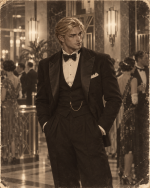
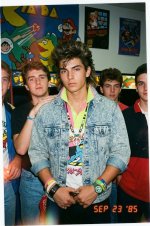
Using the uploaded image as the primary visual reference, preserve the subject’s identity, recognizable facial features, skin tone, apparent age, body type, and overall appearance. Reimagine the subject as they might have appeared during the late Victorian era, approximately 1885–1895.
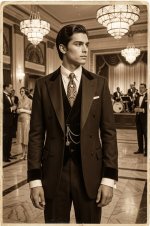
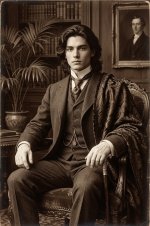
Adapt their hairstyle, clothing, posture, and accessories to historically plausible late-Victorian fashion appropriate to their presentation and social role. Use structured tailoring, high collars, waistcoats, frock coats, long skirts, fitted bodices, puffed sleeves, lace, brocade, silk, wool, gloves, watches, hats, brooches, canes, jewelry, and other period-appropriate details as suitable.
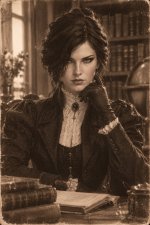
Place them in a richly convincing Victorian setting such as a photographic studio, drawing room, library, townhouse interior, garden conservatory, railway station, city street, study, or formal reception room. Avoid modern objects, fabrics, hairstyles, electrical devices, typography, and contemporary design.
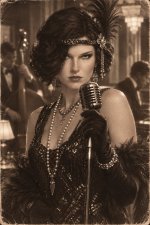
Render the image as an authentic late-19th-century portrait photograph: sepia-brown or monochrome tonal range, gentle softness, fine photographic grain, subtle vignetting, aged emulsion, scratches, worn edges, and slight unevenness in exposure. Photorealistic historical portrait.
Do not redesign the subject’s face. The person must remain immediately recognizable as the same individual from the reference image; change only era-specific hairstyle, clothing, accessories, environment, and photographic treatment.